Diagnostic innovations for critical care settings
Our innovative biomarkers address diagnostically underserved acute and critical care conditions such as acute kidney injury, sepsis, and acute heart failure.
Unternehmen, mit denen wir zusammenarbeiten








View more
Unsere dienste
Rekrutierungsbereiche
Senior Level Management
Wir helfen Ihnen, die technischen Talente zu finden, die Sie brauchen, damit Sie sich auf das konzentrieren können, was Sie am besten können: Ihr Geschäft führen.
Engineers & Developers
Wir helfen Ihnen, die technischen Talente zu finden, die Sie brauchen, damit Sie sich auf das konzentrieren können, was Sie am besten können: Ihr Geschäft führen.
QA, Eingabe & Support
Wir helfen Ihnen, die technischen Talente zu finden, die Sie brauchen, damit Sie sich auf das konzentrieren können, was Sie am besten können: Ihr Geschäft führen.
Admin & HR
Wir helfen Ihnen, die technischen Talente zu finden, die Sie brauchen, damit Sie sich auf das konzentrieren können, was Sie am besten können: Ihr Geschäft führen.
I started using Recruit for my recruitment needs about three years ago. In that time, we've recruited dozens of tech professionals, more quickly than ever. The staff at Recruit is friendly, efficient and professional.

Trends & Erkenntnisse

In a prospective, real-world study of 1,436 critically ill ICU patients, proenkephalin A 119–159 (penKid) provided clinically relevant information across AKI severity and during kidney replacement therapy (KRT). PenKid addressed a key unmet need in KRT management by identifying, with greater precision than standard biomarkers, patients at high risk of KRT liberation failure – helping to avoid stopping therapy too early. The findings support a future role for penKid in helping to standardize one of the few intensive care processes where the need for better decision support is widely acknowledged and current tools remain insufficient. Hennigsdorf, Germany – August 27, 2026 – SphingoTec GmbH announces the publication of new real-world data on proenkephalin A 119–159 (penKid) in critically ill patients. The data, published in Annals of Intensive Care, add to the growing body of evidence supporting penKid as a functional biomarker for kidney function and help inform clinical decision-making in AKI and KRT (1). In a prospective observational study at Heidelberg University Hospital, penKid was measured in 1,436 critically ill patients, including 138 patients receiving KRT for liberation analyses. The findings showed that penKid rose with AKI severity and, unlike serum creatinine and urine output, distinguished stage 3 AKI patients with and without an acute KRT requirement. In contrast to serum creatinine, penKid also differentiated acute KRT patients from those with pre-existing kidney failure and on chronic hemodialysis prior ICU admission, even while KRT treatment was ongoing (1). The study further showed that penKid levels increased progressively from the start of KRT, while serum creatinine decreased under treatment. Following successful liberation from KRT, penKid declined, whereas higher levels were seen in cases of liberation failure. In multivariable analysis, penKid was the strongest independent predictor of liberation failure and outperformed serum creatinine. A penKid cut-off of ≥250 pmol/L provided more than 90% specificity for liberation failure (1). By identifying patients at high risk of unsuccessful liberation, penKid may help clinicians make KRT discontinuation decisions more objectively, reduce the risk of stopping therapy too early, and support more standardized decision-making across critical care settings. “These data are important because they address a real-world clinical problem: how to better assess kidney function and support KRT decisions when standard markers fall short,” said Deborah Bergmann, CEO of SphingoTec. “penKid provides clinicians with an objective, real-time measurable parameter that may help support more informed and consistent kidney-related decisions in critical care.” Christian Nusshag, MD, Department of Nephrology, Heidelberg University Hospital, said: “Current markers often leave clinicians with an incomplete picture. Our findings suggest that penKid may help standardize decision-making by providing additional, actionable information on kidney integrity and recovery.” About penKid, scientific insights PenKid is a biomarker that enables real-time assessment of kidney function. Unlike conventional markers such as serum creatinine, penKid levels are not influenced by inflammation or other confounding factors like age or sex. Studies have shown that penKid allows earlier detection of AKI, predicting changes in serum creatinine up to 48 hours before conventional diagnostic criteria are met. This early detection capability is particularly valuable in critically ill patients, including those with sepsis or septic shock. Additionally, penKid has shown potential for monitoring renal recovery under KRT and could help predict successful liberation from KRT. About SphingoTec SphingoTec GmbH ("SphingoTec"; Hennigsdorf near Berlin, Germany) is a biomarker company focusing on the out-licensing of innovative critical care solutions for diagnosing, predicting, and monitoring acute medical conditions. SphingoTec develops its biomarkers to the commercial stage and partners with IVD companies to make them available on different IVD platforms. SphingoTec's proprietary biomarker portfolio includes Proenkephalin A 119-159 (penKid), a biomarker for the assessment of kidney function in critical diseases, and bioactive Adrenomedullin 1-52 (bio-ADM), a biomarker for the assessment of endothelial function in conditions like acute heart failure. Discover more on www.sphingotec.com References (1) Gabriel DC, Sauer P, Happel R, et al. Proenkephalin A for Assessing Kidney Integrity and Guiding KRT Liberation Decisions in Critically Ill Patients. Annals of Intensive Care. 2026. DOI: 10.1016/j.aicoj.2026.100113. Media Contact: Email: press@sphingotec.com Phone +49-3302-20565-0 SphingoTec GmbH Neuendorfstr. 15A 16761 Hennigsdorf, Germany

Hennigsdorf, Germany – August 19, 2026 – Over the coming months, SphingoTec will be present at a series of leading conferences in diagnostics and critical care medicine. These engagements reflect the company’s ongoing commitment to advancing biomarker-driven solutions that support earlier and more precise clinical decision-making in acute and critical care settings. The company’s conference schedule includes: DGAI (Deutsche Gesellschaft für Anästhesiologie und Intensivmedizin), September 16-18, 2026, Kassel, Germany Kongress für Nephrologie 2026 (DGFN / Deutsche Gesellschaft für Nephrologie), October 08-11, 2026, Leipzig, Germany ESICM Lives, October 10-14, 2026, Lisbon, Portugal – SphingoTec will co-host a Scientific Symposium together with business partner Boditech, focusing on innovations in sepsis diagnostics. In parallel, new clinical data on penKid in a multicenter sepsis study will be presented as a poster at the ESICM congress. ASN Kidney Week 2026, Denver, CO, USA, October 22–25, 2026 – penKid takes center stage in the poster sessions with the abstract “Proenkephalin Predicts Severe AKI in High-Risk Patients” Medica, November 16-19, 2026, Düsseldorf, Germany – Focus on expanding SphingoTec’s international industry network and advancing partnering opportunities for its biomarker portfolio. DIVI (Deutsche Interdisziplinäre Vereinigung für Intensiv- und Notfallmedizin), December 2-4, 2026, Hamburg, Germany “These events bring together clinicians, researchers, and industry partners who share our goal of improving outcomes for patients in critical care,” said Deborah Bergmann, CEO of SphingoTec. “By presenting our latest data and engaging in direct dialogue, we aim to strengthen collaborations that translate biomarker innovation into real clinical value.” About SphingoTec SphingoTec GmbH ("SphingoTec"; Hennigsdorf near Berlin, Germany) is a biomarker company focusing on the out-licensing of innovative critical care solutions for diagnosing, predicting, and monitoring acute medical conditions. SphingoTec develops its biomarkers to the commercial stage and partners with IVD companies to make them available on different IVD platforms. SphingoTec's proprietary biomarker portfolio includes Proenkephalin A 119-159 (penKid), a biomarker for the assessment of kidney function in critical diseases, and bioactive Adrenomedullin 1-52 (bio-ADM), a biomarker for the assessment of endothelial function in conditions like acute heart failure. Discover more on www.sphingotec.com Media Contact: Email: press@sphingotec.com Phone +49-3302-20565-0 SphingoTec GmbH Neuendorfstr. 15A 16761 Hennigsdorf, Germany

Hennigsdorf, Germany, 23 July 2026 — SphingoTec GmbH announces that its Chief Executive Officer, Deborah Bergmann, will attend the ADLM 2026 Annual Meeting, taking place from July 26 to 30, 2026. During the conference, SphingoTec will engage with current and prospective partners to discuss ongoing collaborations and opportunities to advance innovations in critical care diagnostics. These interactions support SphingoTec’s strategy to expand the clinical and commercial reach of its biomarker portfolio. “ADLM provides an important platform to connect with partners across the diagnostics ecosystem,” said Deborah Bergmann, CEO of SphingoTec. “These discussions align with our commitment to translating biomarker innovation into clinically meaningful solutions for patients in critical care.” About SphingoTec SphingoTec GmbH ("SphingoTec"; Hennigsdorf near Berlin, Germany) is a biomarker company focusing on the out-licensing of innovative critical care solutions for diagnosing, predicting, and monitoring acute medical conditions. SphingoTec develops its biomarkers to the commercial stage and partners with IVD companies to make them available on different IVD platforms. SphingoTec's proprietary biomarker portfolio includes Proenkephalin A 119-159 (penKid), a biomarker for the assessment of kidney function in critical diseases, and bioactive Adrenomedullin 1-52 (bio-ADM), a biomarker for the assessment of endothelial function in conditions like sepsis. Discover more on www.sphingotec.com Media Contact: Email: press@sphingotec.com Phone +49-3302-20565-0 SphingoTec GmbH Neuendorfstr. 15A 16761 Hennigsdorf, Germany
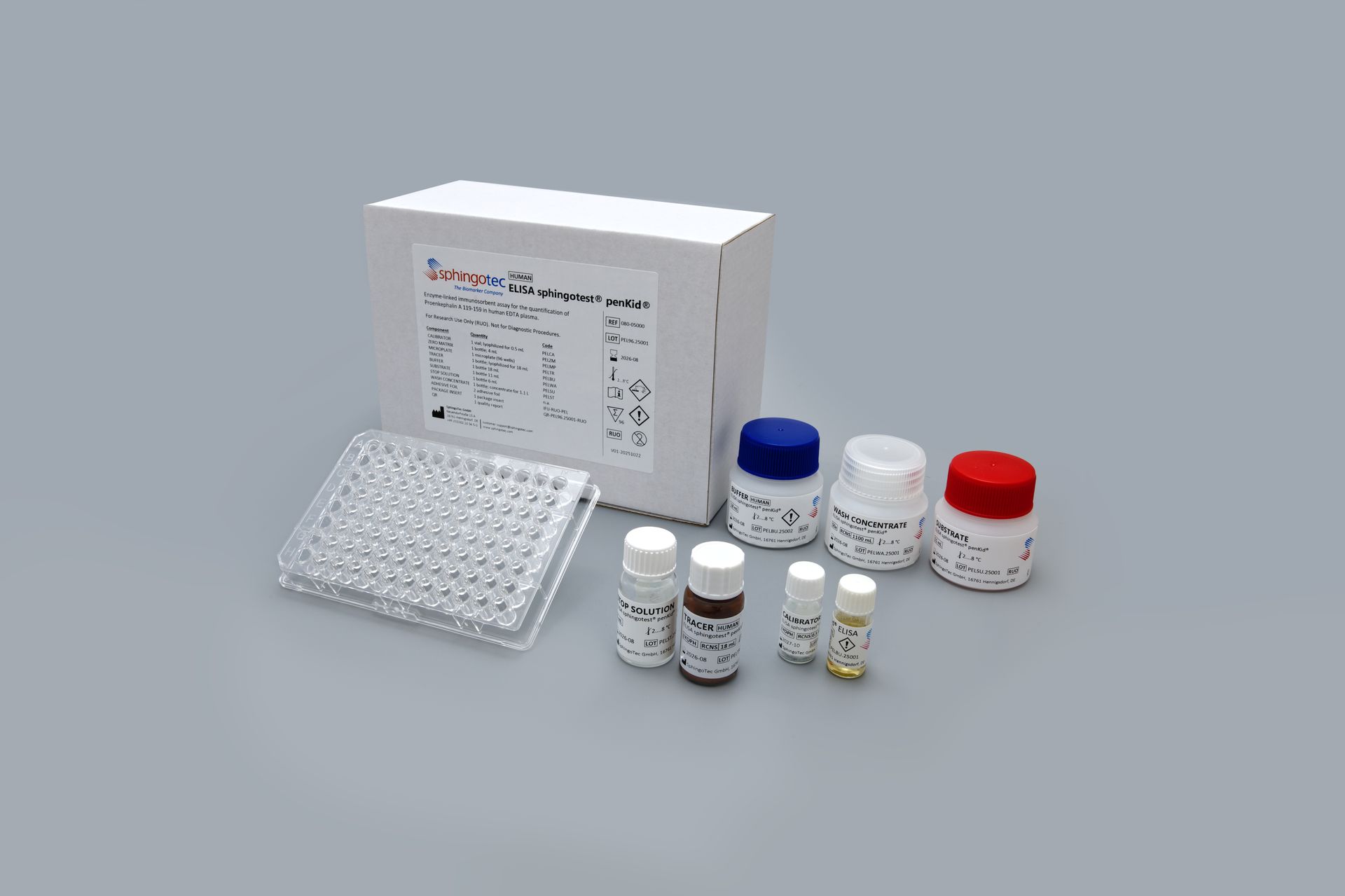
• New ELISA sphingotest® penKid® enables widespread measurement of the kidney function biomarker Proenkephalin 119-159 (penKid) using standard laboratory equipment. • Only available test to match SphingoTec’s reference chemiluminescence assay, developed with patented high-sensitivity technology to provide consistent results across platforms. Hennigsdorf/Berlin, Germany, April 28 2026 - SphingoTec GmbH announces the launch of the ELISA sphingotest® penKid®, a new assay designed to make testing of its proprietary biomarker broadly accessible to research laboratories and pharmaceutical partners. Providing ease-of-use and precision, the test facilitates large-scale investigations of human kidney function in both acute and broader clinical research contexts. Responding to growing research interest The launch follows increasing demand from the scientific community to study penKid - a biomarker reflecting the current state of kidney function in critical care environments. While SphingoTec’s high-sensitivity sphingotest® penKid® assay serves as the reference method for clinical research and third-party IVD assays, the assay technology requiring dedicated equipment was not easily adoptable in research laboratories. The new ELISA sphingotest® penKid® now allows researchers worldwide to benefit from SphingoTec’s patented detection technology using standard photometers, extending penKid testing capability to a wider range of laboratories. Proven performance and data continuity The ELISA sphingotest® penKid® has been developed to achieve excellent correlation with SphingoTec’s reference chemiluminescence assay, ensuring consistent, high-quality results across different assay platforms. Both methods share the same underlying technology capable of detecting penKid concentrations in the picomolar range. Thanks to this technology transfer, researchers can rely on the same analytical precision and reliability that supported the clinical studies establishing penKid as a valuable kidney function biomarker. The assay’s robust design and German manufacturing ensure durable consistency and reproducibility. With this research-use ELISA, SphingoTec responds to the increasing availability of non-validated assays and encourages researchers to not compromise assay quality and performance to ensure trustworthy results - since data from non-validated tests may reflect assay limitations rather than the true performance of the penKid biomarker. Complementary approaches for clinical use and scientific exploration SphingoTec pursues its commercial strategy for the biomarker penKid through strategic out-licensing partnerships such as Boditech Med, which has developed an IVDR-certified assay for routine clinical use and rapid diagnostics. The newly launched ELISA sphingotest® penKid® represents a complementary initiative, specifically designed to support high-throughput clinical and translational research. Through this dual approach, SphingoTec reaffirms its commitment to fostering scientific collaboration and promoting the broader exploration of penKid across diverse research settings. “Developing the ELISA sphingotest® penKid® reflects our long-term commitment to improving critical care diagnostics,” said Deborah Bergmann, Managing Director and CEO of SphingoTec GmbH. “Beyond its currently validated clinical applications, we see strong potential for penKid to support research and improve diagnostics in other fields where kidney function is relevant. By encouraging scientists worldwide to incorporate penKid into their studies and clinical programs, we aim to accelerate innovation and advance best-fit diagnostic solutions that ultimately improve patient care.” About SphingoTec SphingoTec GmbH ("SphingoTec"; Hennigsdorf near Berlin, Germany) is a biomarker company focusing on the out-licensing of innovative critical care solutions for diagnosing, predicting, and monitoring acute medical conditions. SphingoTec develops its biomarkers to the commercial stage and partners with IVD companies to make them available on different IVD platforms. SphingoTec's proprietary biomarker portfolio includes Proenkephalin A 119-159 (penKid), a biomarker for the assessment of kidney function in critical diseases, and bioactive Adrenomedullin 1-52 (bio-ADM), a biomarker for the assessment of endothelial function in conditions like sepsis. Discover more on www.sphingotec.com Media Contact: Email: press@sphingotec.com Phone +49-3302-20565-0 SphingoTec GmbH Neuendorfstr. 15A 16761 Hennigsdorf, Germany

• PenKid surpasses serum creatinine on Day 1 post-transplant in detecting delayed graft function (DGF), with an AUROC of 0.87 versus 0.56 for creatinine. • PenKid differentiates slow graft function (SGF) from DGF up to 8 days earlier than current methods, supporting more timely clinical decisions. • PenKid levels remain unaffected by kidney replacement therapy (KRT), allowing for more accurate assessment of kidney function. • Independent validation in transplant cohort from Australia confirms performance and broad applicability. Hennigsdorf/Berlin, Germany, July 1, 2025 - Diagnostic company SphingoTec GmbH (“SphingoTec”) announces a landmark study (1) published in Transplant International, led by Heidelberg University Hospital in Germany in collaboration with researchers from Sydney, Australia, which identifies Proenkephalin A 119-159 (penKid) as a reliable biomarker for early and precise assessment of graft function trajectories following kidney transplantation. The research demonstrates that PenKid not only identifies patients at risk for DGF significantly earlier than traditional markers but also distinguishes between slow and delayed graft function with remarkable accuracy, offering clinicians a valuable new tool for patient management. The study prospectively evaluated 159 consecutive kidney transplant recipients at Heidelberg University Hospital and validated findings in an independent cohort from Sydney. PenKid consistently outperformed serum creatinine (SCr) in predicting graft function trajectories, particularly in the critical early post-transplant period. Notably, PenKid’s ability to remain unaffected by KRT—a treatment for severe kidney dysfunction—further sets it apart from SCr, which can be influenced by non-renal factors and KRT itself, thereby enhancing the reliability of graft function assessment. Multivariate analysis confirmed PenKid as the strongest independent predictor of both short-term graft function and 30-day outcomes, underscoring its clinical utility for early risk stratification. The biomarker’s superior granularity allows for nuanced classification of DGF severity, supporting more informed decisions regarding the initiation of dialysis or biopsy and offering potential for individualized patient care. With these findings, penKid steps forward as a practical addition to the transplant clinician’s toolkit, promising to sharpen decision-making for optimal outcomes. Its adoption could help transplant teams act with greater confidence and precision, ultimately strengthening the standard of care in kidney transplantation. ## References 1. Benning L et al. (2025) Proenkephalin A 119-159 in Kidney Transplantation: A Novel Biomarker for Superior Tracking of Graft Function Trajectories. Transpl. Int. 38:14366. doi: 10.3389/ti.2025.14366 About SphingoTec SphingoTec GmbH ("SphingoTec"; Hennigsdorf near Berlin, Germany) is a biomarker company focusing on the out-licensing of innovative critical care solutions for diagnosing, predicting, and monitoring acute medical conditions. SphingoTec develops its biomarkers to the commercial stage and partners with IVD companies to make them available on different IVD platforms. SphingoTec's proprietary biomarker portfolio includes Proenkephalin A 119-159 (penKid), a biomarker for the assessment of kidney function in critical diseases, commercially available on diagnostic platforms AFIAS and Nexus IB10 and bioactive Adrenomedullin 1-52 (bio-ADM), a biomarker for the assessment of endothelial function in conditions like sepsis. Discover more on www.sphingotec.com Contact : Ruxandra Lenz Marketing and Communication SphingoTec GmbH Phone +49-3302-20565-0 Email: press@sphingotec.com
• Boditech Med and SphingoTec announce the launch of the AFIAS sphingotest® penKid® assay, a diagnostic tool designed to aid in kidney function assessment for critically ill patients. • The IVDR-marked assay provides quantitative measurements of Proenkephalin A 119-159 (penKid), supporting clinical decision-making in acute and critical care. • This launch follows a licensing agreement granting Boditech the rights to develop and commercialize penKid-based assays, as well as a market development agreement between the two companies. Gangwon-do, Republic of Korea, and Hennigsdorf/Berlin, Germany, May 6, 2025 - Boditech Med Inc. (“Boditech”) and SphingoTec GmbH (“SphingoTec”) today announced the commercial launch of the AFIAS sphingotest® penKid® assay. The assay is designed to provide clinicians with a tool for assessing kidney function in critically ill patients by measuring Proenkephalin A 119-159 (penKid), a biomarker that reflects real-time kidney function independently of inflammation or comorbidities. The AFIAS sphingotest® penKid® assay is IVDR-marked for its intended use as an automated fluorescence immunoassay for the in vitro diagnostic quantitative determination of Proenkephalin A 119-159 in human whole blood/plasma, serving as an aid in the diagnosis of acute kidney injury (AKI) in adult patients with sepsis or septic shock. It provides additional information to support clinical decision-making in managing critically ill patients at risk of acute kidney injury (AKI). This launch is the result of a strategic collaboration between Boditech and SphingoTec, including a licensing agreement granting Boditech the rights to develop and commercialize penKid-based assays on its diagnostic platforms, as well as a market development agreement aimed at accelerating global commercialization efforts. Eui-Yul Choi, CEO of Boditech Med, commented: “We are proud to introduce the AFIAS sphingotest® penKid® assay to clinicians worldwide. This launch reflects our commitment to delivering innovative diagnostic solutions that address critical needs in healthcare. Our collaboration with SphingoTec has been instrumental in bringing this important tool to market.” Deborah Bergmann, CEO of SphingoTec, added: “The launch of AFIAS sphingotest® penKid® demonstrates how partnerships can drive innovation and improve access to advanced diagnostics. By combining our biomarker expertise with Boditech’s diagnostic capabilities, we are reaching a new chapter in our collaboration. We are streamlining our processes to support the business of our license partners and further expand our global reach. This enables us to provide clinicians with essential tools to enhance patient care.” Scientific insights on penKid PenKid is a biomarker that enables real-time assessment of kidney function (1). Unlike traditional markers such as serum creatinine, penKid levels are not influenced by inflammation or other confounding factors like age or sex (1,2,3). Studies have shown that penKid allows earlier detection of acute kidney injury (AKI), predicting changes in serum creatinine up to 48 hours before conventional diagnostic criteria are met (1,3). This early detection capability is particularly valuable in critically ill patients, including those with sepsis or septic shock (1,3,4). Additionally, penKid has shown potential for monitoring renal recovery under dialysis and could help predict successful weaning from renal replacement therapy (5,6). ## References 1. Hollinger A, et.al. Proenkephalin A 119-159 (Penkid) Is an Early Biomarker of Septic Acute Kidney Injury: The Kidney in Sepsis and Septic Shock (Kid-SSS) Study. Kidney Int Rep. 2018 Aug 22;3(6):1424-1433. doi: 10.1016/j.ekir.2018.08.006. 2. Beunders et al. Assessing GFR With Proenkephalin, Kidney International Reports, 2023, DOI: https://doi.org/10.1016/j.ekir.2023.08.006 3. Caironi et al., Circulating proenkephalin, acute kidney injury, and its improvement in patients with severe sepsis or shock. Clin Chem (2018) DOI:10.1373/clinchem.2018.288068 4. Moledina DG. Penkid: A Novel Biomarker of Reduced GFR in Sepsis. Kidney Int Rep. 2018 Nov 15;4(1):17-19. doi: 10.1016/j.ekir.2018.11.002. 5. von Groote T et al. Proenkephalin A 119–159 predicts early and successful liberation from renal replacement therapy in critically ill patients with acute kidney injury: a post hoc analysis of the ELAIN trial. Crit Care 26, 333 (2022). doi.org/10.1186/s13054-022-04217-4 6. von Groote T, et al. Evaluation of Proenkephalin A 119-159 for liberation from renal replacement therapy: an external, multicenter pilot study in critically ill patients with acute kidney injury. Crit Care. 2023 Jul 10;27(1):276. doi: 10.1186/s13054-023-04556-w. About Boditech Boditech Med (based in Chuncheon, Gangwon-do, Republic of Korea) is a leading company in the field of point-of-care diagnostics, which has accumulated 25 years of business expertise in the field. The company has more than 80 types of in vitro diagnostic products that detect biomarkers related to infectious diseases, diabetes, cardiovascular diseases, cancer, and hormone-related diseases with its immunofluorescence lateral flow technology, quantitative immunofluorescence technology and spectrophotometric technology. And the list continues to grow with new high-value-added products. With its instrument platform installed in more than 120 countries, the company also has a stable revenue model. The company is currently strengthening its value as a global company by expanding its manufacturing bases in the US, China, India, and Indonesia. About SphingoTec SphingoTec GmbH ("SphingoTec"; Hennigsdorf near Berlin, Germany) is a diagnostic company focusing on the out-licensing of innovative critical care biomarkers for diagnosing, predicting, and monitoring acute medical conditions. SphingoTec develops its biomarkers to the commercial stage and partners with IVD companies to make them available on different IVD platforms. SphingoTec's proprietary biomarker portfolio includes Proenkephalin A 119-159 (penKid), a biomarker for the assessment of kidney function in critical diseases, commercially available on diagnostic platforms AFIAS and Nexus IB10 and bioactive Adrenomedullin 1-52 (bio-ADM), a biomarker for the assessment of endothelial function in conditions like sepsis. Discover more on www.sphingotec.com Contact: Ruxandra Lenz Head of Marketing and Communication SphingoTec GmbH Phone +49-3302-20565-0 Email: press@sphingotec.com

• Real-World Implementation: Proenkephalin A 119–159 (penKid) has been successfully integrated into daily practice in intensive care unit (ICU), demonstrating its effectiveness in assessing kidney function and predicting acute kidney injury (AKI) in over 4,000 patients. • Superior Dynamics: PenKid augments traditional markers by detecting rapid changes in kidney function, particularly beneficial in critically ill patients where timely information is crucial. • Clinical Impact: PenKid proved valuable in identifying high-risk patients at ICU admission, especially those with a normal serum creatinine. Additionally, penKid provided valuable insights into kidney function during renal replacement therapy (RRT). • International Recognition: Beyond its use in reference hospitals in Germany, international experts, including those at the Mayo Clinic, acknowledge the added value of penKid on top of standard care. Hennigsdorf/Berlin, Germany, April 16, 2025 - Diagnostic company SphingoTec GmbH (“SphingoTec”) announces the publication of real-world data on the effectiveness of Proenkephalin A 119–159 (penKid) in improving kidney function assessment in intensive care units (ICUs) (1). This study confirms penKid's value in identifying high-risk patients at admission and supporting the management of renal replacement therapy (1). The published data complement a recent review from the Mayo Clinic that highlights penKid's potential as a new method to measure renal function beyond creatinine (2). Acute kidney injury (AKI) is a significant challenge in intensive care units (ICUs), affecting up to half of all patients and leading to increased morbidity and mortality (1). Traditional markers like serum creatinine have limitations, as they may not detect kidney dysfunction until significant damage has occurred. A recent study from the University Hospital Aachen marks the first publication based on real-world data from over 4,000 patients, reporting the outcome implementation of penKid in daily practice. Study Overview During a two-year period, the University Hospital Aachen, Germany implemented penKid in their ICU (1). The study analyzed almost 18,000 penKid measurements from 4,169 patients, including the use of a penKid-GFR formula to estimate glomerular filtration rate (GFR). PenKid outperformed traditional markers in assessing kidney function and remained dynamic under RRT, supporting clinical decision-making in critical care. Key Findings The data show that penKid allows for a significantly better assessment of renal dysfunction upon admission, particularly in identifying patients at risk of developing severe AKI. In patients with normal serum creatinine levels at admission, penKid and its GFR formula outperformed traditional methods in predicting AKI within 24 and 48 hours. As penKid is effectively removed by RRT, as demonstrated by studies such as Lorenzin et al. (3), persistently elevated levels during RRT may indicate ongoing renal dysfunction, while declining levels could signal renal recovery. This dynamic nature of penKid – even during ongoing RRT - can support decisions that may optimize RRT duration and reduce associated risks. Clinical Significance Prof. Dr. Gernot Marx, the Director of the Clinic for Operative Intensive Care and Intermediate Care at Uniklinik RWTH Aachen highlights, "After using penKid in clinical settings for five years, I see significant value in specific use cases due to its swift dynamics, addressing creatinine blind spots. The published data confirms our clinical observations and paves the way for bringing innovation into daily practice." Early detection of compromised renal function could allow for timely interventions, reducing the risk of emergency RRT and improving the chance for full renal recovery. In RRT scenarios, penKid could help de-escalate treatments and prevent unnecessary RRT, potentially reducing ICU stays. Recent Review The critical care community is seeking tools for improving kidney health assessment, as indicated by a recent review published by researchers from the Mayo Clinic (2). This review highlights penKid's ability in detecting rapid GFR changes and predicting AKI, particularly in critically ill patients. PenKid's strong correlation with measured GFR makes it a valuable tool, enabling more accurate and timely assessments of kidney function. The Mayo Clinic review also notes that penKid's ability to predict major adverse kidney events, such as worsening renal function and the need for RRT, aligns with its potential to provide valuable prognostic information in clinical settings. ## References 1. Martin, L. et al. Implementation and One-Year Evaluation of Proenkephalin A in Critical Care. Int. J. Mol. Sci. 2025, 26, 2602. https://doi.org/10.3390/ijms26062602 2. Sheikh MS, Kashani KB. Beyond creatinine: New methods to measure renal function? Eur J Intern Med. 2025 Jan 31:S0953-6205(25)00025-1. doi: 10.1016/j.ejim.2025.01.015. 3. Lorenzin, A. et al. Human Proenkephalin A 119-159 (penKid) in Extracorporeal Therapies: Ex vivo Sieving Coefficient, Diffusive Clearance, and Hemoadsorption Kinetics. Blood Purif. 2024, 53, 773–780. doi: 10.1159/000540061. About SphingoTec SphingoTec GmbH ("SphingoTec"; Hennigsdorf near Berlin, Germany) is a diagnostic company focusing on the out-licensing of innovative critical care biomarkers for diagnosing, predicting, and monitoring acute medical conditions. SphingoTec develops its biomarkers to the commercial stage and partners with IVD companies to make them available on different IVD platforms. SphingoTec's proprietary biomarker portfolio includes Proenkephalin A 119-159 (penKid), a biomarker for the assessment of kidney function in critical diseases, commercially available on diagnostic platforms AFIAS and Nexus IB10 and bioactive Adrenomedullin 1-52 (bio-ADM), a biomarker for the assessment of endothelial function in conditions like sepsis. Discover more on www.sphingotec.com Contact: Ruxandra Lenz Head of Marketing and Communication SphingoTec GmbH Phone +49-3302-20565-0 Email: press@sphingotec.com

• Proenkephalin A 119-159 (penKid) demonstrates potential as a predictor for successful discontinuation of continuous renal replacement therapy (CRRT) in cardiac surgery patients. • Study reveals significant differences in penKid levels between patients successfully and unsuccessfully liberated from CRRT. • Findings suggest penKid could be a valuable tool in guiding CRRT liberation decisions. Hennigsdorf/Berlin, Germany, January 9, 2025 - Diagnostic company SphingoTec GmbH ("SphingoTec") announces results from the first prospective study, conducted at the Medical University of Vienna, demonstrating penKid as a discriminatory biomarker for successful liberation from CRRT in cardiac surgery patients with acute kidney injury (AKI) (1). AKI remains a significant challenge in hospitals and is not limited to emergency cases, affecting a substantial number of up to 40% of elective cardiac surgery patients (2,3). When prolonged or further complicated, the use of CRRT might become necessary, which is one of the most resource-intensive interventions. Determining the optimal time to discontinue CRRT has been a persistent clinical challenge. The research, led by Ap. Prof. PD DDr. Martin Bernardi and colleagues, provides new insights into the utility of this biomarker. Key Findings The study revealed that patients successfully liberated from CRRT had significantly lower penKid levels compared to those unsuccessfully liberated (1). This distinction was particularly notable at the time of CRRT liberation. "Our findings suggest that penKid could be a valuable tool in supporting clinical decisions regarding CRRT discontinuation," stated Prof. Bernardi. "Additionally, this biomarker shows potential in identifying patients who are likely to maintain kidney function after CRRT is stopped." Supporting evidence comes from post-hoc analyses of the RICH (5) and ELAIN (6) trials, which consistently demonstrate penKid's capability to predict kidney function recovery under renal replacement therapy and successful treatment liberation. Bridging Gaps in AKI Management As the critical care community continues to optimize AKI management protocols in cardiac surgery patients and beyond, penKid stands out as a promising biomarker that could refine current acute dialysis management strategies, particularly in determining optimal timing for CRRT discontinuation. For more information, Prof. Bernardi will be discussing these findings and their implications in an upcoming webinar titled "Practice-Oriented Management of Acute Dialysis in Cardiac Surgery Patients: Strategies and Challenges in Clinical Practice." ## References: 1. Tichy J, et.al. Prediction of Successful Liberation from Continuous Renal Replacement Therapy Using a Novel Biomarker in Patients with Acute Kidney Injury after Cardiac Surgery-An Observational Trial. Int J Mol Sci. 2024 Oct 10;25(20):10873. doi: 10.3390/ijms252010873. 2. Grams, M.E. et. al. Acute Kidney Injury after Major Surgery: A Retrospective Analysis of Veterans Health Administration Data. Am. J. Kidney Dis. 2016, 67, 872–880. 3. Wang, Y. et al. Cardiac surgery-associated acute kidney injury: Risk factors, pathophysiology and treatment. Nat. Rev. Nephrol. 2017, 13, 697–711. 4. Lorenzin A, et al. Human Proenkephalin A 119-159 (penKid) in Extracorporeal Therapies: Ex vivo Sieving Coefficient, Diffusive Clearance, and Hemoadsorption Kinetics. Blood Purif. 2024;53(10):773-780. doi: 10.1159/000540061. 5. von Groote T et al. Proenkephalin A 119–159 predicts early and successful liberation from renal replacement therapy in critically ill patients with acute kidney injury: a post hoc analysis of the ELAIN trial. Crit Care 26, 333 (2022). doi.org/10.1186/s13054-022-04217-4 6. (3) von Groote T, et al. Evaluation of Proenkephalin A 119-159 for liberation from renal replacement therapy: an external, multicenter pilot study in critically ill patients with acute kidney injury. Crit Care. 2023 Jul 10;27(1):276. doi: 10.1186/s13054-023-04556-w. About SphingoTec SphingoTec GmbH ("SphingoTec"; Hennigsdorf near Berlin, Germany) is a diagnostic company focusing on the out-licensing of innovative critical care biomarkers for diagnosing, predicting, and monitoring acute medical conditions. SphingoTec develops its biomarkers to the commercial stage and partners with IVD companies to make them available on different IVD platforms. SphingoTec's proprietary biomarker portfolio includes Proenkephalin A 119-159 (penKid), a biomarker for the assessment of kidney function in critical diseases, commercially available on diagnostic platforms AFIAS and Nexus IB10 and bioactive Adrenomedullin 1-52 (bio-ADM), a biomarker for the assessment of endothelial function in conditions like sepsis. Discover more on www.sphingotec.com Contact: Ruxandra Lenz Head of Marketing and Communication SphingoTec GmbH Phone +49-3302-20565-0 Email: press@sphingotec.com
• Alliance marks first penKid licensing agreement for high throughput immunoassay. • Partnership leverages SphingoTec's proficiency in acute kidney injury testing, and Beckman Coulter’s extensive, globally installed Access Family of immunoassay analyzers. HENNIGSDORF/BERLIN, GERMANY — October 9, 2024: Diagnostic company SphingoTec GmbH (“SphingoTec”) today announced a new partnership with Beckman Coulter Diagnostics Inc. (“Beckman Coulter”). Through this collaboration, the companies will bring an assay for SphingoTec’s innovative kidney function biomarker, Proenkephalin 119-159 (penKid), to Beckman Coulter’s extensive test menu for use on the Access Family of Immunoassay Analyzers. This alliance marks the first central laboratory license for a penKid assay and aims to significantly enhance the diagnostic capabilities for acute kidney injury (AKI) globally, by leveraging Beckman Coulter’s global installed base of instruments. PenKid is a real-time biomarker in plasma designed to address critical gaps in the standard diagnostic practices for AKI, particularly in critical care environments. Specifically, scientific evidence shows that, unlike current methods, a penKid assay offers early detection of kidney function decline, unaffected by inflammation, potentially enabling earlier intervention and improved patient outcomes (1,2,3). The incidence of AKI is increasing in both hospital and community settings; it is estimated that more than 13 million people are affected by AKI annually worldwide (4, 5). Under the terms of the agreement, Beckman Coulter will develop and validate a fully automated diagnostic test for penKid, leveraging SphingoTec’s IVD certified assay. This assay has already been implemented as a routine test in the first university hospitals. This collaborative effort will facilitate high-throughput availability of penKid assays in central laboratories, supporting critical care physicians with the ability for timely and precise kidney health assessment. “Acute kidney injury exerts a profound impact on patients globally, complicates acute and chronic illnesses frequently resulting in poor outcomes, and rivals many other critical diseases in its severity and consequences,” said Kevin O’Reilly, President, at Beckman Coulter Diagnostics. “The published evidence for penKid testing combined with SphingoTec’s scientific expertise provides an exciting opportunity to improve kidney health management. Working with SphingoTec, our goal is to expand access to and improve workflow from this important kidney health innovation underscoring our commitment to enhancing patient care worldwide.” Deborah Bergmann, Managing Director and CEO of SphingoTec, emphasized, “The development of a penKid-based assay for use on Beckman Coulter’s globally installed immunoassay platforms represents a significant step toward realizing our vision of transforming diagnostic innovation into tangible patient benefits. This partnership accelerates our mission to deliver precise, actionable insights to clinicians worldwide, ultimately improving outcomes for patients suffering from acute kidney injury.” ### References: (1) Beunders et al. Assessing GFR With Proenkephalin, Kidney International Reports, 2023, DOI: https://doi.org/10.1016/j.ekir.2023.08.006 (2) Caironi et al., Circulating proenkephalin, acute kidney injury, and its improvement in patients with severe sepsis or shock. Clin Chem (2018) https://doi.org/10.1373/clinchem.2018.288068 (3) Lin, LC., et al. Proenkephalin as a biomarker correlates with acute kidney injury: a systematic review with meta-analysis and trial sequential analysis. Crit Care 27, 481 (2023). https://doi.org/10.1186/s13054-023-04747-5 (4) Mehta RL et al. International Society of Nephrology’s 0by25 initiative for acute kidney injury (zero preventable deaths by 2025): a human rights case for nephrology. Lancet. 2015 Jun 27;385(9987):2616–43. http://dx.doi.org/10.1016/S0140-6736(15)60126-X (5) Susantitaphong P et al. World incidence of AKI: a meta-analysis. Clin J Am Soc Nephrol. 2013 Sep;8(9):1482–93. http://dx.doi.org/10.2215/CJN.00710113 About SphingoTec SphingoTec GmbH ("SphingoTec"; Hennigsdorf near Berlin, Germany) is a commercial-stage diagnostic company focusing on innovative critical care biomarkers for diagnosing, predicting, and monitoring acute medical conditions. SphingoTec’s innovative markers are made available on different IVD platforms. SphingoTec's proprietary biomarker portfolio includes Proenkephalin A 119-159 (penKid), a biomarker for the assessment of kidney function in critical diseases, and bioactive Adrenomedullin 1-52 (bio-ADM), a biomarker for the assessment of endothelial function in conditions like sepsis. Discover more on www.sphingotec.com Contact: Ruxandra Lenz Head of Marketing and Communication SphingoTec GmbH Phone +49-3302-20565-0 Email: ruxandra.lenz@sphingotec.com

• SphingoTec GmbH has successfully secured funding to drive its global expansion, including the US market, through strategic collaborations. • The investment round is led by Think.Health Ventures, with support from existing investors. Think.Health Ventures will add significant value to SphingoTec through its expertise in diagnostics and its extensive network in clinics and laboratories. • The raised capital will be pivotal in advancing the out-licensing and commercialization of SphingoTec’s innovative biomarkers for critical care, aiming to significantly improve patient management and outcomes. • The funding underscores SphingoTec’s dedication to pioneering advancements in critical care patient management. Hennigsdorf/Berlin, Germany, August 8, 2024 - Diagnostics company SphingoTec GmbH (“SphingoTec”) announces the successful closing of a Series C financing round. The raised capital will allow the company to reach profitability through sustained and strategic commercialization of its products. This includes supporting market development, out-licensing activities, and close collaboration with licensees. SphingoTec aims for global expansion, including entry into the US market. The lead investor, Think.Health Ventures, specializes in healthcare ventures that focus on innovations and business models in digital healthcare, medical technologies, and health service providers. Think.Health Ventures will provide support to the SphingoTec management team through its extensive network in clinics and laboratories. Additionally, SphingoTec has secured support from existing investors, which include Brandenburg Kapital, HBM Healthcare Investments, NRW.BANK, and Wellington Partners. Dr. Florian Kainzinger, Managing Partner and Founder of Think.Health Ventures, commented, "We are pleased to support SphingoTec at this exciting stage of the company's development. With its developed and commercialized lead product penKid, SphingoTec is well-positioned for global expansion through out-licensing to key players in the diagnostic industry." SphingoTec develops and markets in vitro diagnostic (IVD) solutions for novel and proprietary blood-based protein biomarkers. The company focuses on translational medicine, bringing innovations to frontline healthcare by discovering biomarkers, developing IVD assays, and making them available on different diagnostic platforms. The biomarker portfolio includes Proenkephalin A 119-159 (penKid), a biomarker for the assessment of kidney function, and bioactive Adrenomedullin 1-52 (bio-ADM), a biomarker for the assessment of endothelial function. PenKid has been out-licensed and commercialized and is currently used in routine measurements in university hospitals to improve patient management. To achieve broad market adoption of its first-in-class biomarkers, SphingoTec partners with global IVD companies. The portfolio is available for licensing to companies seeking to enhance their immunoassay portfolios and develop biomarker-based diagnostics for clinical use on high-throughput and near-patient testing platforms. Deborah Bergmann, Managing Director and CEO, stated, "There is a substantial demand for more advancements in critical care diagnostics. Our scientifically and clinically validated innovations have the potential to improve the management of critically ill patients. With this investment, we will focus on further out-licensing our biomarkers to translate scientific advancements into routine clinical practice, ultimately supporting clinicians in improving patient outcomes." ### About SphingoTec SphingoTec GmbH ("SphingoTec"; Hennigsdorf near Berlin, Germany) is a commercial-stage diagnostic company focusing on innovative critical care biomarkers for diagnosing, predicting, and monitoring acute medical conditions. SphingoTec’s innovative markers are made available on different IVD platforms. SphingoTec's proprietary biomarker portfolio includes Proenkephalin A 119-159 (penKid), a biomarker for the assessment of kidney function in critical diseases, and bioactive Adrenomedullin 1-52 (bio-ADM), a biomarker for the assessment of endothelial function in conditions like sepsis. About penKid Proenkephalin A 119-159 (penKid) is a blood-based biomarker for assessing kidney function in acute and critical conditions. The biomarker offers a blood-based alternative for the complex and time-consuming in vivo measurement of true glomerular filtration rate (GFR). PenKid is independent of common comorbidities (e.g., hypertension and diabetes) and the frequently occurring inflammation in critically ill patients. Rising penKid blood levels predict acute kidney injury earlier than today’s standard of care, and decreasing penKid blood levels indicate the improvement of kidney function, even under dialysis. About bio-ADM Bioactive Adrenomedullin 1-52 (bio-ADM) is a dynamic blood biomarker for the real-time assessment of endothelial function. The endothelium contributes to blood pressure and separates blood from the surrounding tissue. Elevated bio-ADM blood levels predict both blood pressure drop, resulting in shock and leaky blood vessels, leading to edema formation. Early identification of an imbalance in endothelial function allows for the prediction of vasopressor demand in critically ill patients and aids in the identification of residual congestion in acute heart failure patients. Media contact: Ruxandra Lenz Head of Marketing and Communication SphingoTec GmbH Neuendorfstr. 15 A 16761 Hennigsdorf Tel. +49-3302-20565-0
